Contents
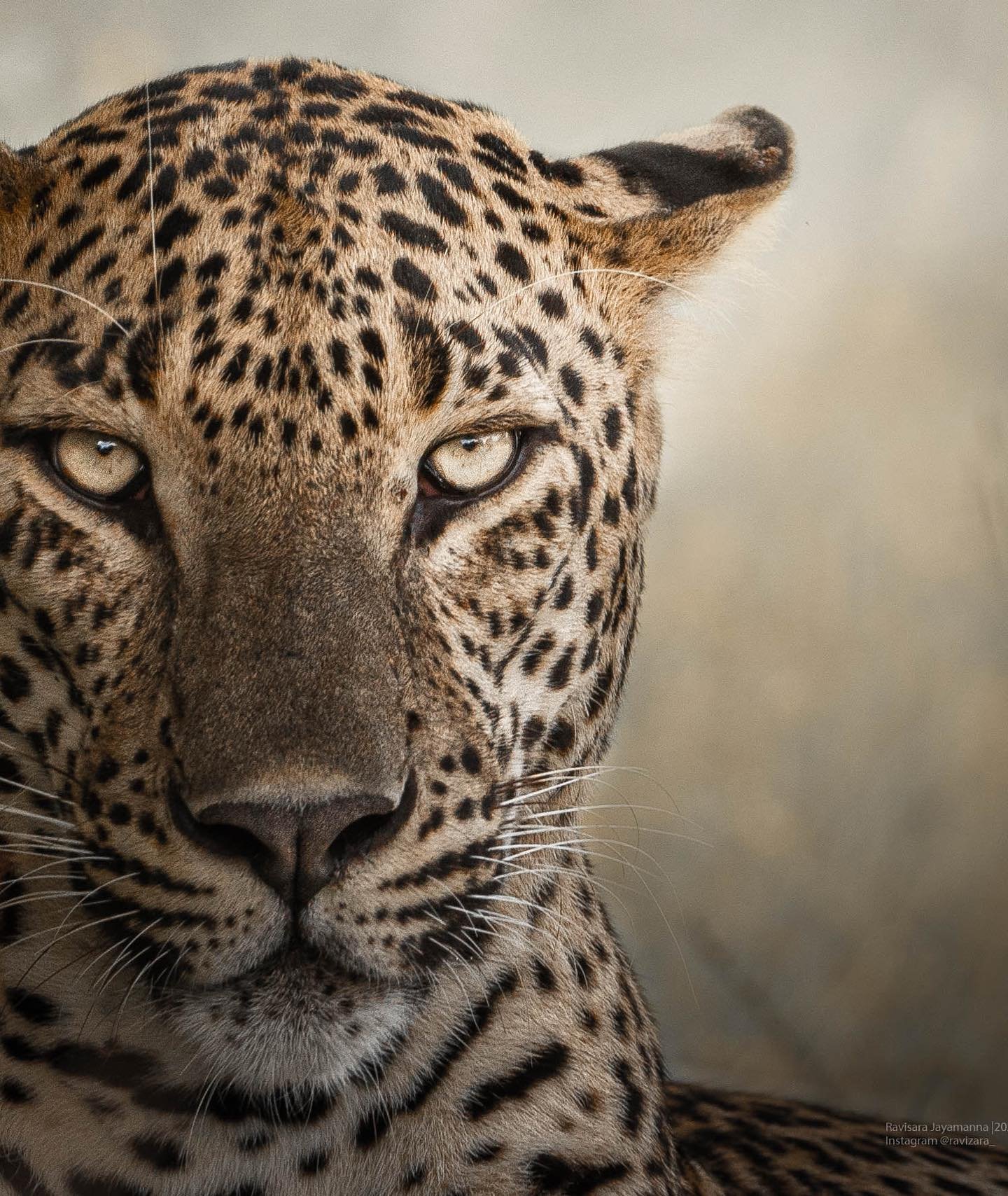
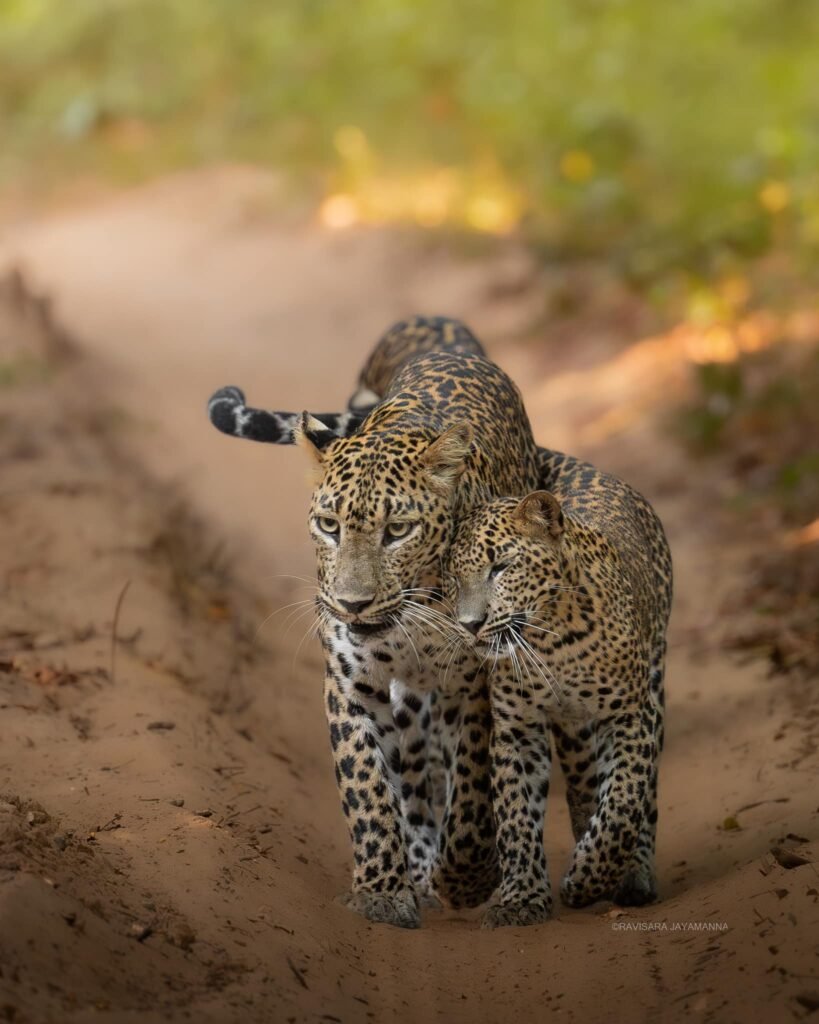
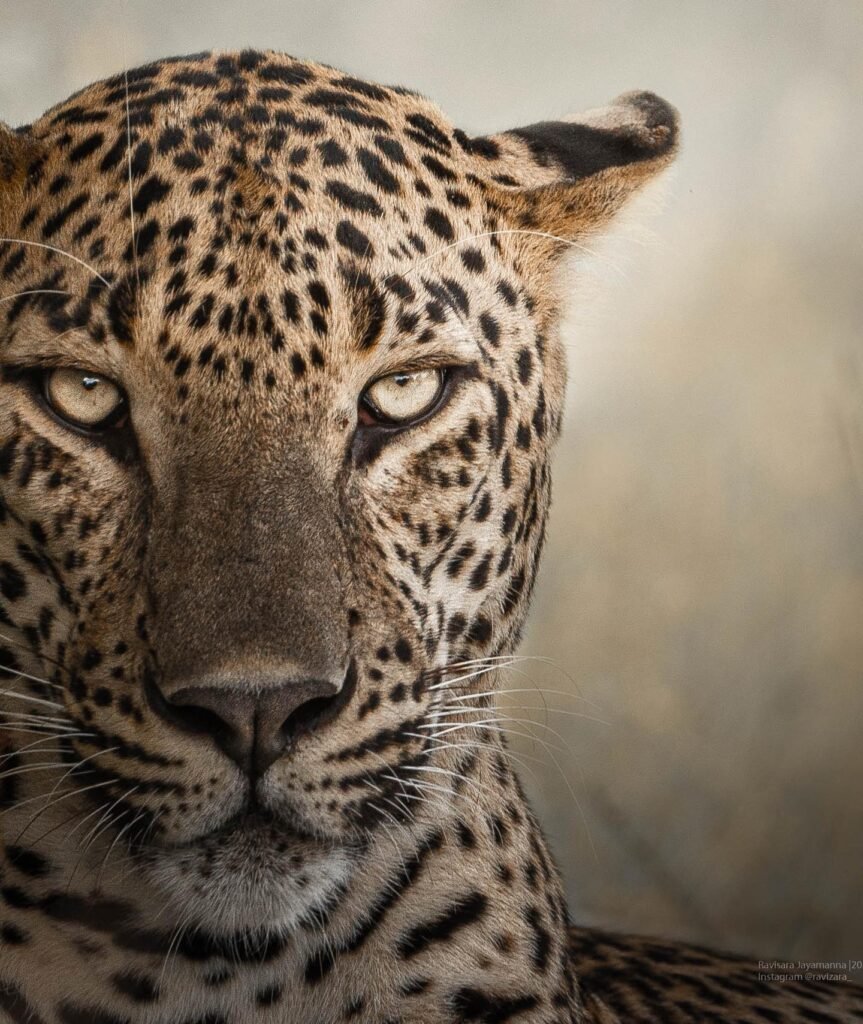
The Sri Lankan leopard (Panthera pardus kotiya) is the crown jewel of wildlife safaris in Sri Lanka. With its golden coat and piercing gaze, this elusive big cat offers an unforgettable sighting that every nature lover dreams of. Sri Lanka is one of the best places in the world to spot leopards in the wild—making it a must-see highlight for tourists looking to connect with nature in its rawest form.
All wildlife images used in this post are copyrighted. Special thanks to Ravisara Jayamanna for the stunning visuals.
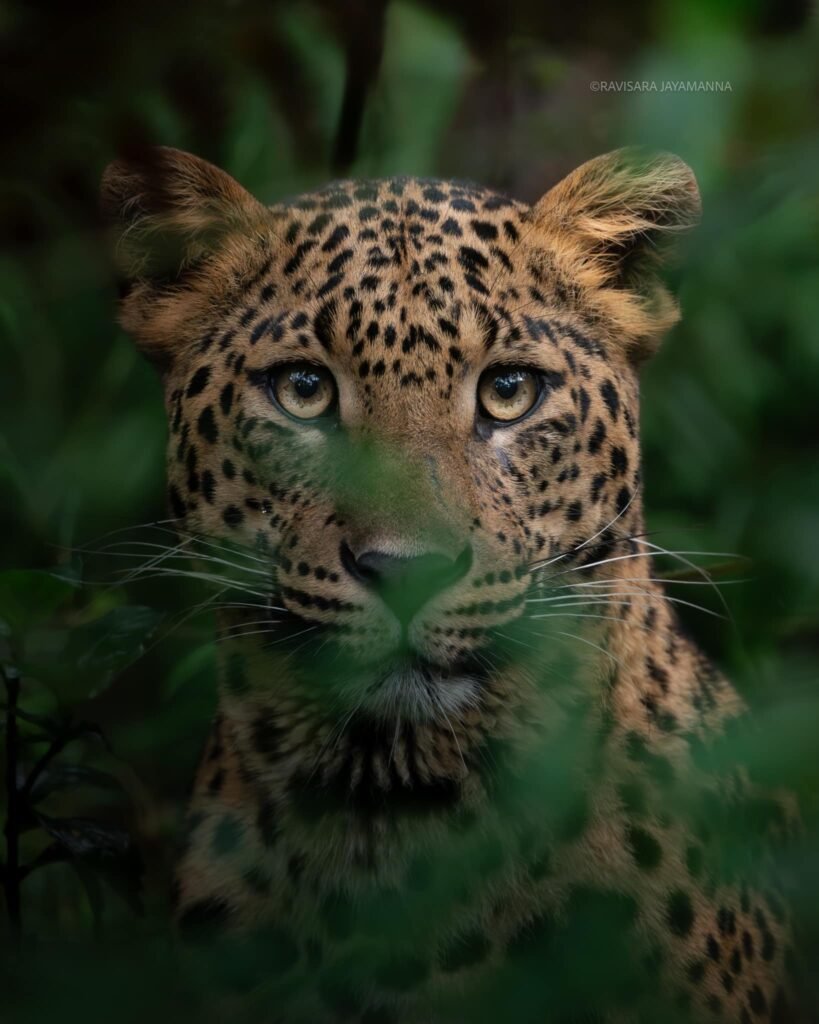
Local & Scientific Name
- Sinhala Name: කෝටියා (Kotiya)
- Tamil Name: சிறுத்தை (Siruthai)
- Scientific Name: Panthera pardus kotiya
Where You Can See This Animal
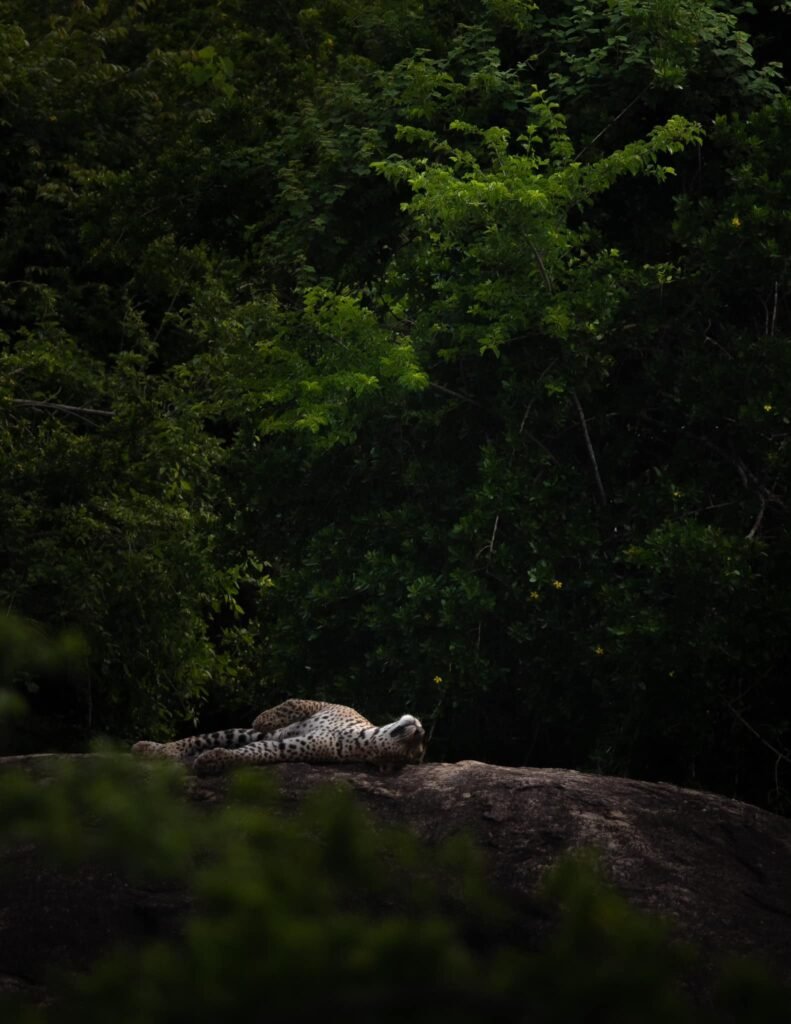
The best place to see leopards in Sri Lanka is Yala National Park, specifically Block 1, which boasts one of the highest leopard densities in the world. You can also spot them in:
- Wilpattu National Park – known for its thick jungle and natural lakes
- Horton Plains – rarer sightings in the misty highlands
- Kumana and Udawalawe – occasional glimpses
Safaris with licensed guides are widely available, and booking through local eco-tourism providers ensures ethical and responsible tracking.
Best Time for Wildlife Watching
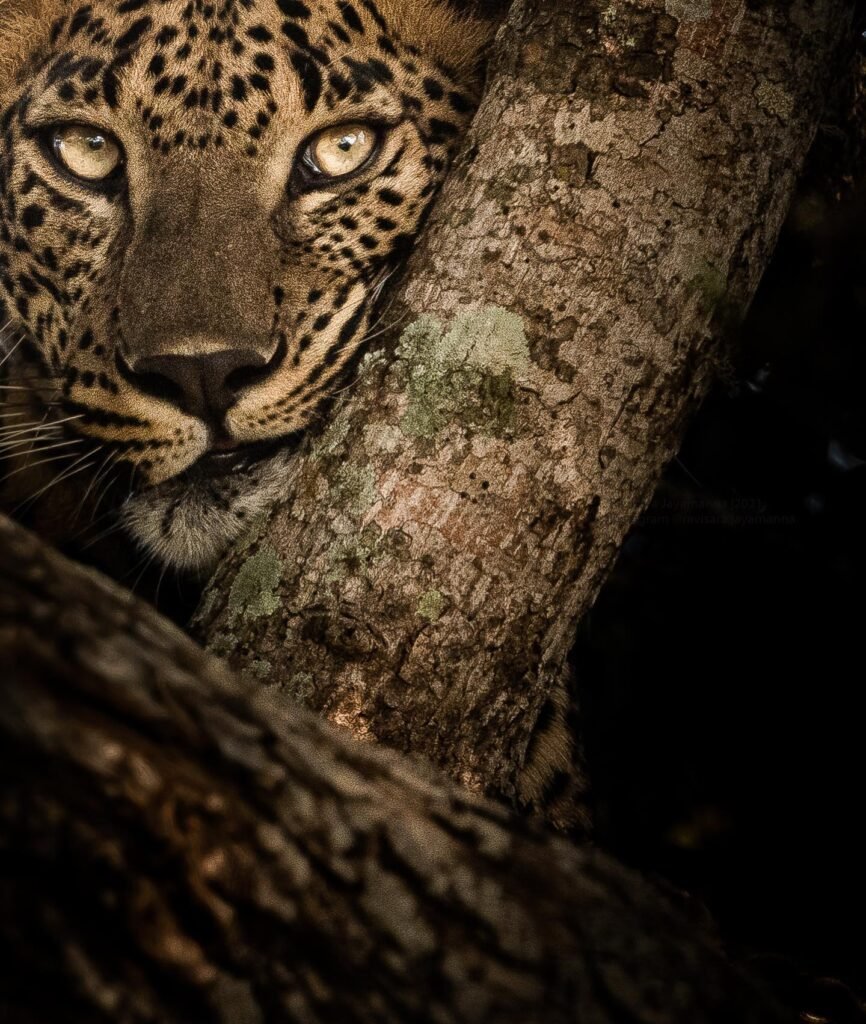
The dry season (February to July) is ideal as animals gather around waterholes, increasing leopard sightings. Mornings (6–9 AM) and late afternoons (3–6 PM) are the golden hours for spotting leopards in action or lounging on a tree branch.
Animal’s Diet & Behavior
Leopards are carnivorous and hunt alone. They feed on deer, monkeys, hares, and wild boar. Tourists often witness leopards stealthily stalking their prey or resting in the shade after a successful hunt.
Travel & Photography Tips
- Use a DSLR with a 300mm+ zoom lens for close-ups
- Avoid loud noises or bright clothing
- Golden hour light enhances the majestic look of the leopard’s coat
- Always respect the guide’s instructions for safety and wildlife welfare
Conservation Message
The Sri Lankan leopard is classified as vulnerable due to habitat loss and human-wildlife conflict. Supporting responsible tourism, local guides, and conservation initiatives helps ensure this magnificent species thrives for generations to come.
Travel Planner Section
| Closest town to Yala | Tissamaharama |
| Safari time | Morning (5:30 AM) or Evening (3 PM) |
| Duration | 3–4 hours per safari |
| Bookings | Use trusted operators like Eco Team, Leopard Safaris, or national park offices |