Contents
Remembering the gentle giant of Galgamuwa, whose life and heartbreaking death touched the hearts of Sri Lankans.
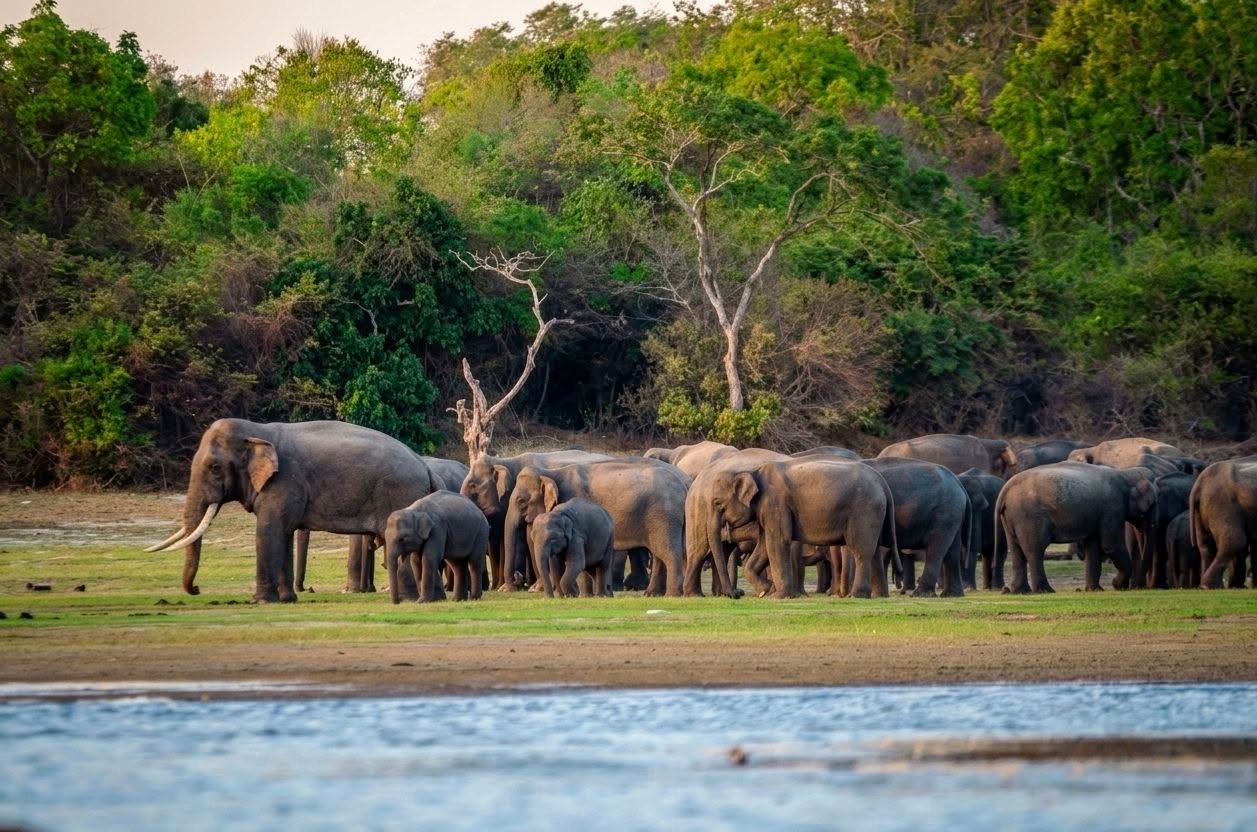
Sri Lanka is home to some of Asia’s most magnificent wild elephants, but few have captured the hearts of people quite like Kawanthissa (කාවන්තිස්ස). Known for his towering height, impressive tusks, and remarkably calm nature, this legendary elephant became a symbol of Sri Lanka’s rich wildlife heritage.
Sadly, on October 16, 2026, Kawanthissa passed away following weeks of illness and treatment for a gunshot injury, leaving wildlife lovers across the country in mourning.
Who Was Kawanthissa?
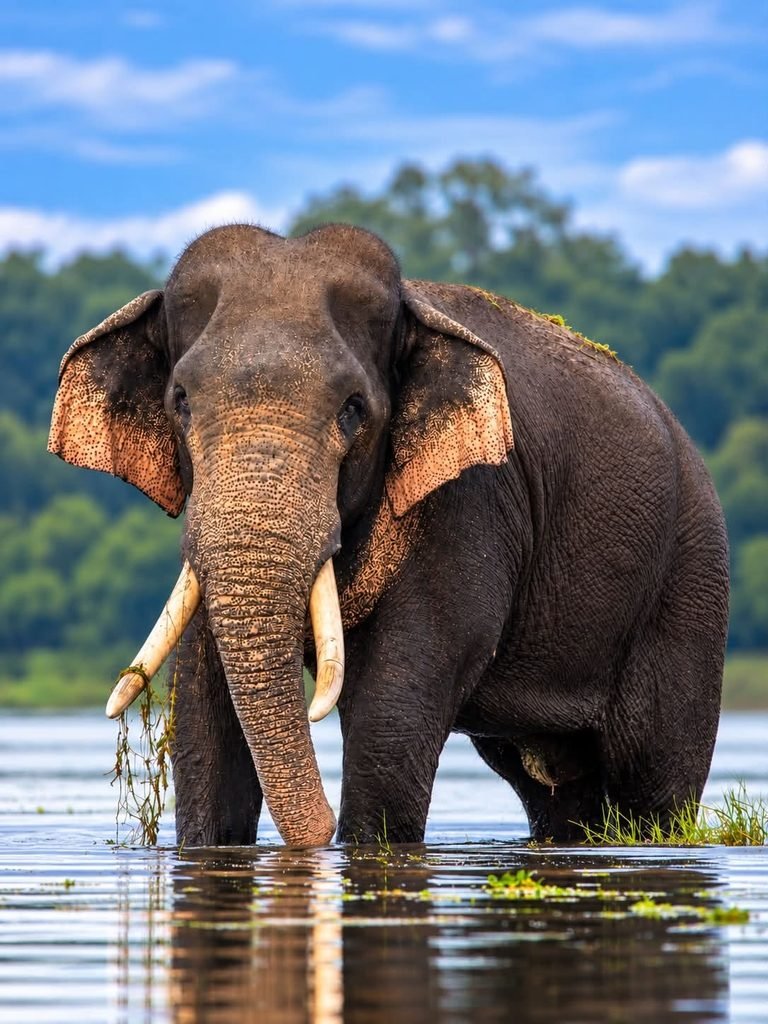
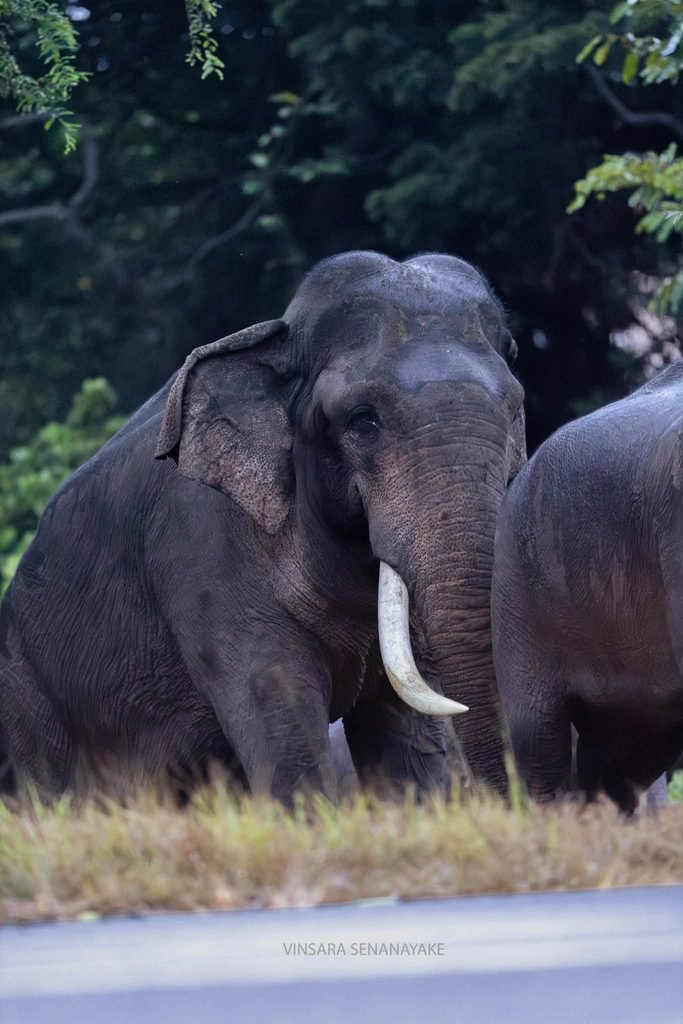
awanthissa was one of Sri Lanka’s largest and tallest wild tuskers, believed to have been approximately 50 to 60 years old. Standing around 11 feet tall, with tusks measuring over six feet in length, he was an extraordinary sight in the wilderness.
He spent much of his life roaming the forests and surrounding villages of Galgamuwa, Usgala, and Siyambalangamuwa in the Kurunegala District.
First documented in 2008, he was given the name Kawanthissa in 2015, inspired by the ancient Sri Lankan King Kawan Tissa, father of King Dutugemunu.
Despite his enormous size, Kawanthissa was widely admired for his peaceful behaviour. Local villagers and wildlife photographers became familiar with his presence, often watching him cross roads and move gracefully through the countryside
What Happened to Kawanthissa?
In September 2026, Kawanthissa was observed struggling with an injury to his right front leg, reportedly caused by gunfire.
Wildlife authorities began veterinary treatment on September 24. Although his wound initially showed signs of improvement, his overall health gradually deteriorated. He developed complications, including severe diarrhoea, loss of appetite, and increasing weakness.
On October 16, Kawanthissa was found collapsed in a paddy field in the Siyambalangamuwa area. Despite efforts by veterinary teams to save him, the beloved tusker died that evening at approximately 6:18 p.m.
His death sparked widespread sadness and raised serious concerns about elephant protection, wildlife crime, and the treatment of injured wild animals. Authorities subsequently launched investigations into the circumstances surrounding his death.
A Loss Beyond One Elephant
Kawanthissa’s death represents more than the loss of a famous elephant. It highlights the growing challenges faced by Sri Lanka’s wild elephant population.
Habitat loss, human-elephant conflict, illegal shooting, and shrinking natural corridors continue to threaten these remarkable animals.
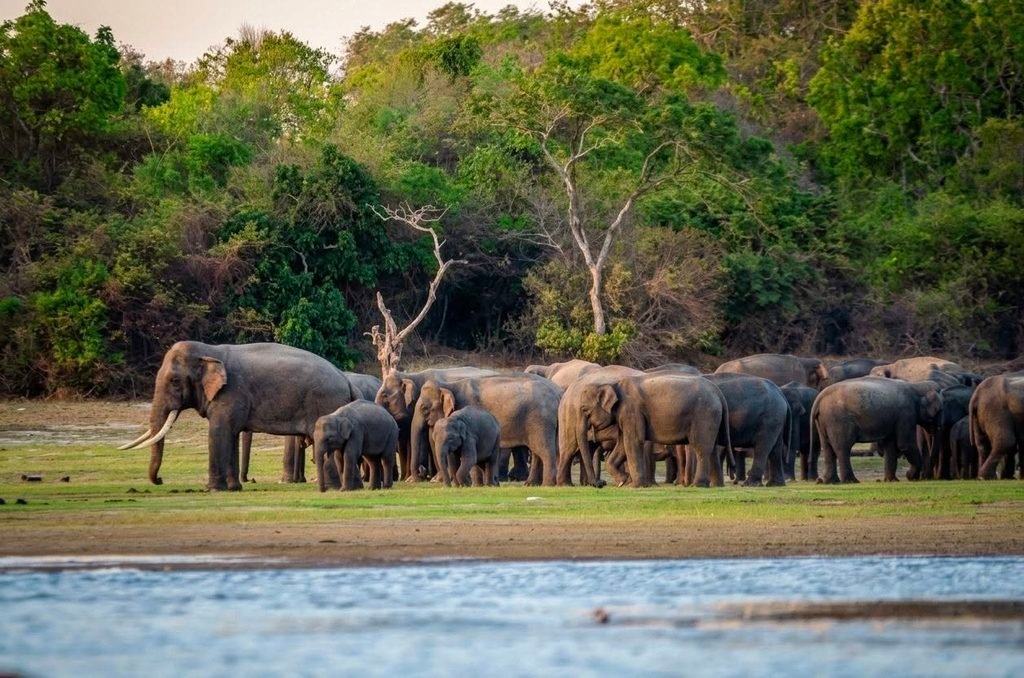
In 2025 alone, Sri Lanka recorded 455 wild elephant deaths, with gunshot injuries accounting for 79 of them.
For many Sri Lankans, Kawanthissa was not merely a wild elephant. He was a familiar presence, a magnificent part of the island’s natural identity, and a reminder of why wildlife conservation matters.
Remembering the Gentle Giant
Kawanthissa may no longer roam the forests of Galgamuwa, but his legacy will remain in the photographs, memories, and stories of those who admired him.
His story reminds us that protecting Sri Lanka’s wildlife requires more than admiration. It demands responsible conservation, stronger protection of natural habitats, and a shared commitment to allowing elephants and people to coexist.
Rest peacefully, Kawanthissa. Your footprints may fade from the forest paths, but your story will not be forgotten.