Contents
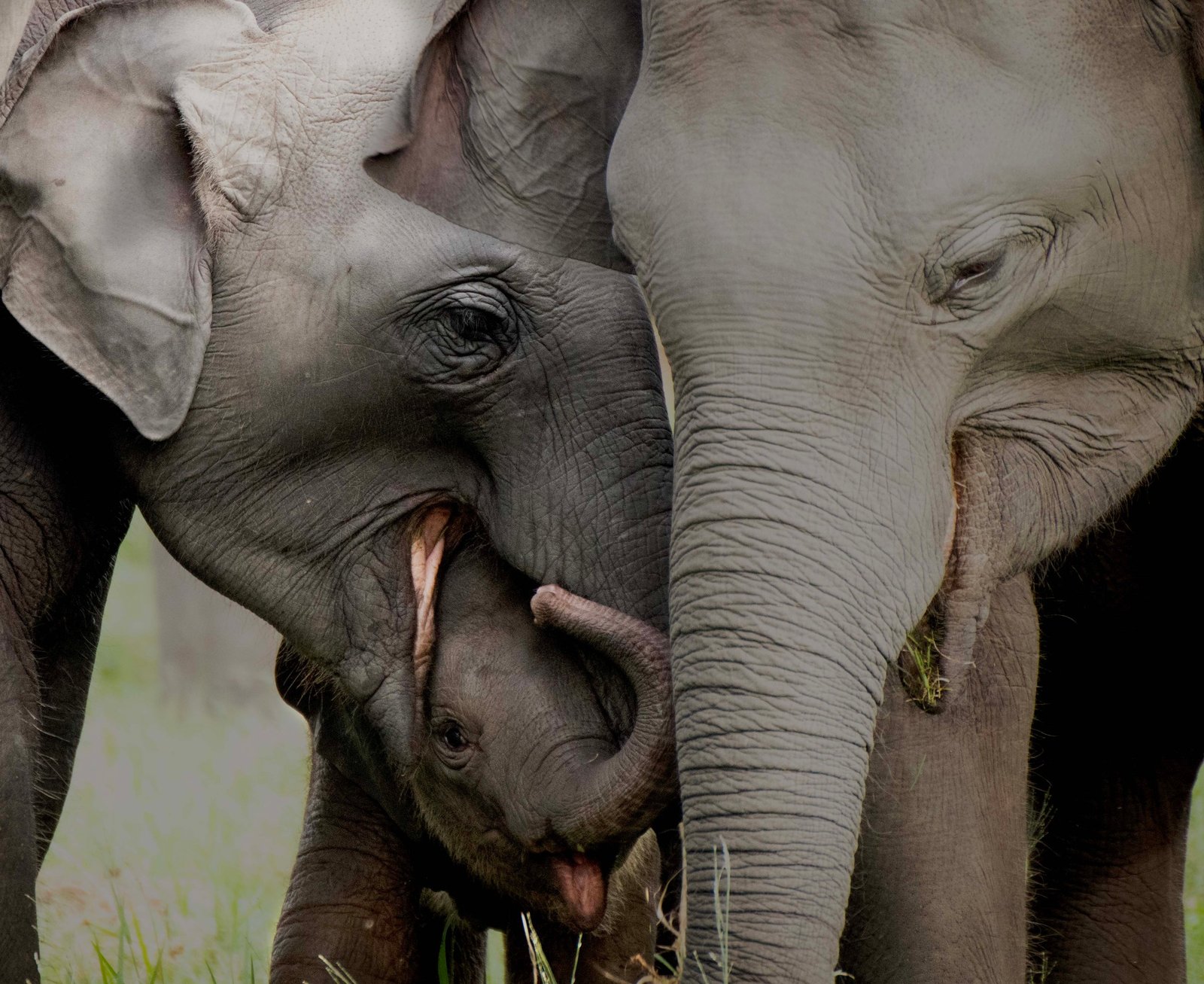
Sri Lanka is one of the best places in the world to see wild Asian elephants up close. These gentle giants are deeply woven into Sri Lankan culture, history, and even religious festivals. For tourists, spotting elephants in their natural habitat offers a rare and unforgettable adventure that combines wildlife, culture, and pure wonder.
🐘 Local & Scientific Name
Sinhala Name: ඇතා (Æthā)
Tamil Name: யானை (Yāṉai)
Scientific Name: Elephas maximus maximus
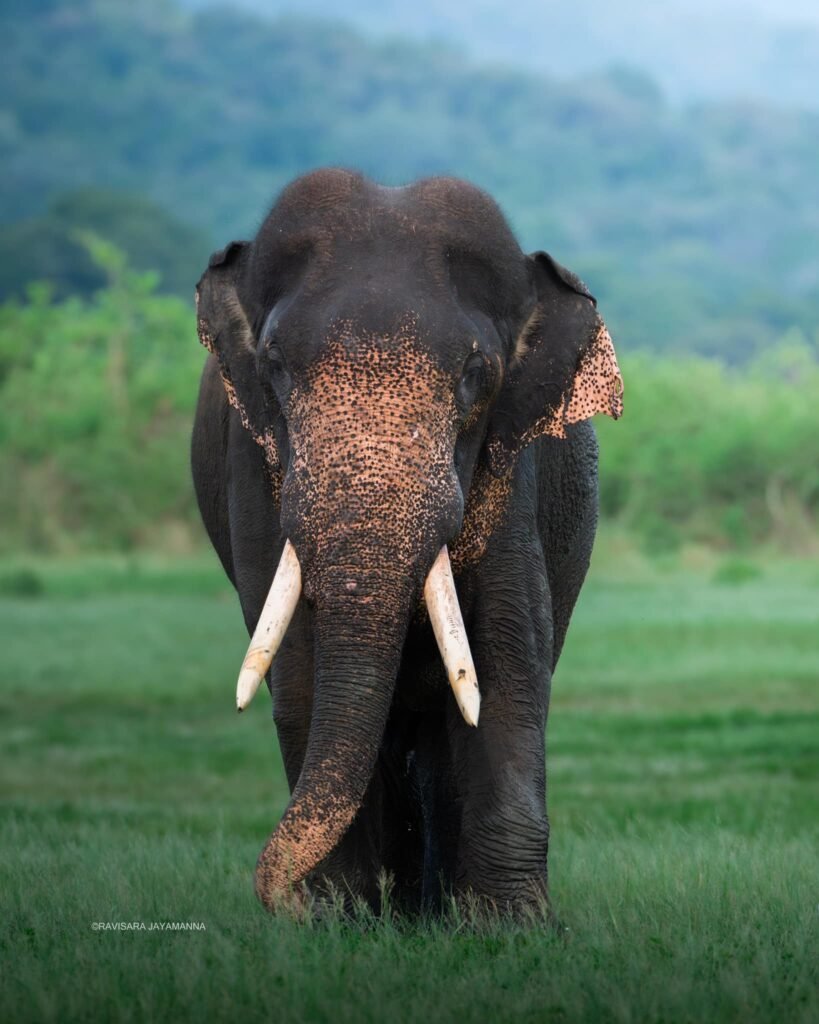
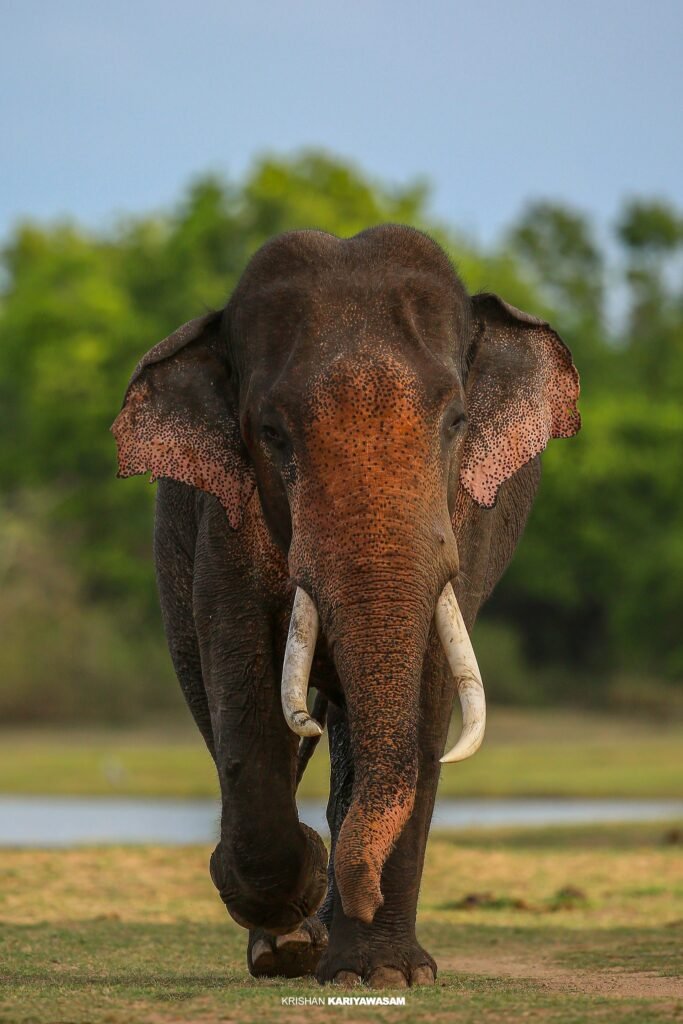
About Photo: Tusker Vijayaba, also known as වේවැල් දලයා, is one of the most famous tuskers roaming around Minneriya and Kaudulla National Parks.
Image Credit: Ravisara Jayamanna
Where You Can See This Animal
The Sri Lankan elephant is best seen in its natural habitat at national parks across the island. Top parks for elephant watching include:
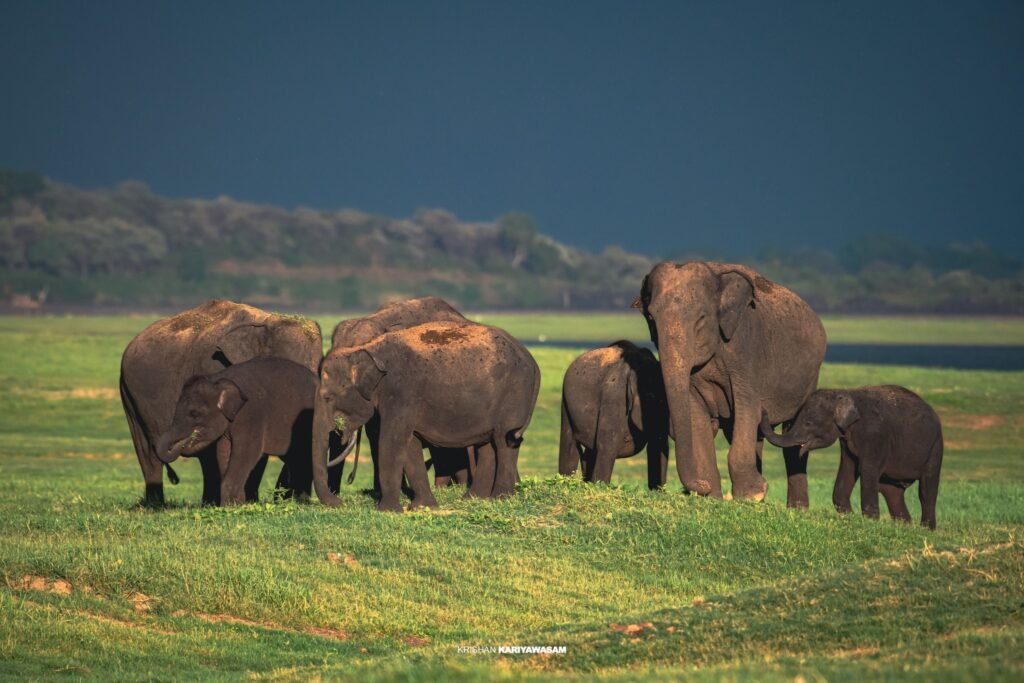
- Minneriya National Park – Famous for The Gathering, where 200+ elephants congregate (July–September)
- Udawalawe National Park – Consistent sightings year-round, especially near the reservoir
- Kaudulla National Park – Alternative to Minneriya, great during wetter seasons
- Gal Oya National Park – Unique boat safaris offer sightings of swimming elephants
- Yala National Park – Elephants are less common here but still present
Safaris with licensed guides are widely available, and booking through responsible eco-tourism operators ensures a safe, ethical experience.
Best Time for Wildlife Watching
The dry season from July to September is the best time to see large herds.
- Morning (6–9 AM) and afternoon (3–6 PM) safaris provide the best lighting and activity levels for photography and sightings.
Safari Tips for Tourists
- Book early with licensed eco-tour operators.
- Bring a zoom lens or binoculars for photos.
- Dress in neutral colors to blend with nature.
- Stay quiet and enjoy the experience respectfully.
- Avoid elephant rides or chained animals; opt for ethical wildlife tours only.
Top Safari Operators
- Leopard Trails, Jetwing Eco Holidays, Mahoora Tented Safaris
- Offer packages that include guides, vehicles, and sometimes accommodation
Nearby Eco-Lodges & Hotels
- Cinnamon Lodge Habarana (Minneriya)
- Elephant Trails (Udawalawe)
- Gal Oya Lodge (Gal Oya)