Contents
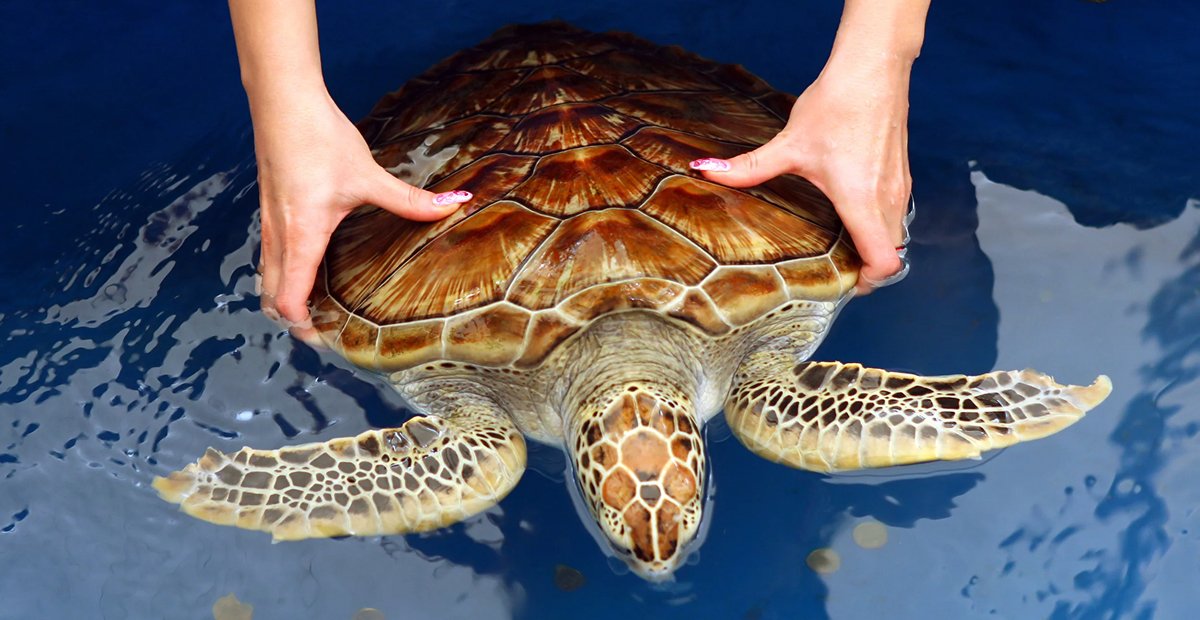
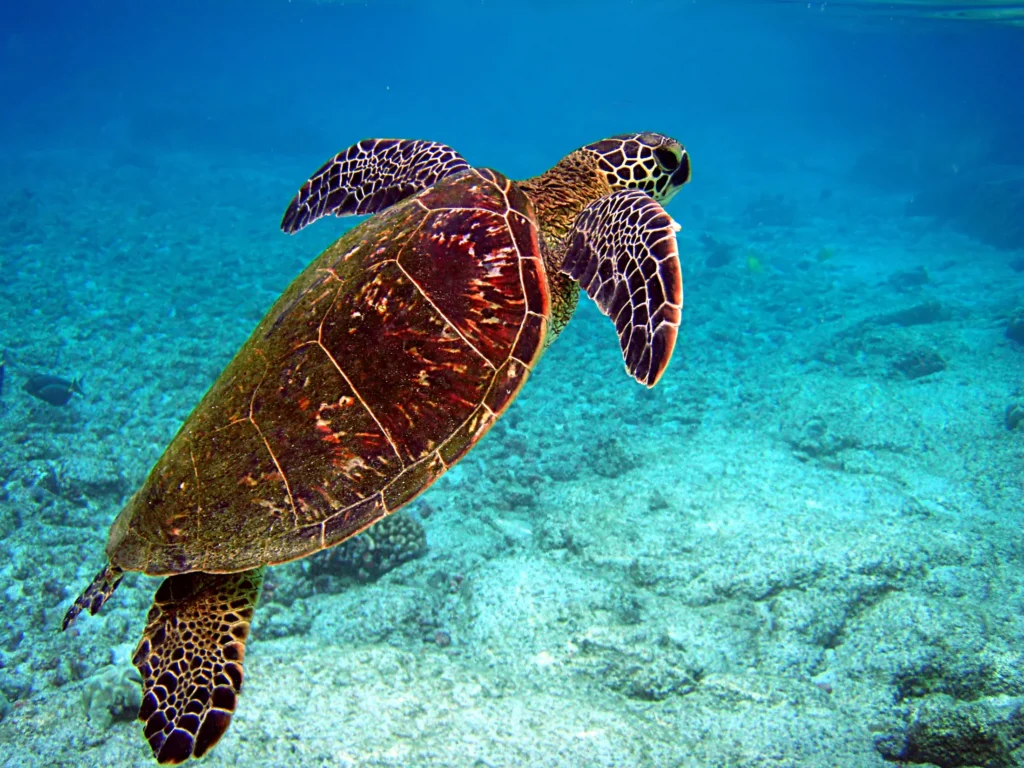
Sri Lanka is uniquely blessed with frequent visits from five of the world’s seven sea turtle species: the Green Turtle, Loggerhead, Hawksbill, Olive Ridley, and the massive Leatherback Turtle. Because these creatures spend almost their entire lives at sea, seeing them is a true privilege. Sri Lanka offers two primary ways to interact with them: guided ocean snorkeling tours where you swim alongside them in their natural habitat, and ethical night-time beach watches to observe females laying their eggs in the sand.
Local & Scientific Name
Scientific Names: Sea turtles belong to the Cheloniidae family (which includes the Green turtle: Chelonia mydas, Loggerhead: Caretta caretta, Hawksbill: Eretmochelys imbricata, and Olive Ridley: Lepidochelys olivacea) and the Dermochelyidae family (Leatherback: Dermochelys coriacea).
Local Name (Sinhala): Kesbawa (කැස්බෑවා)
Where You Can See This Animal
You can spot marine turtles along the southern and south-western coasts of the island:
- Mirissa & Hikkaduwa: The absolute best spots for daytime snorkeling. The shallow, clear waters and vibrant reef patches make it easy to swim right alongside Green and Hawksbill turtles.
- Rekawa Beach (Near Tangalle): The premier destination for night-time turtle watching. This is a globally significant nesting site where you can watch wild turtles laying eggs on the beach in a protected environment.
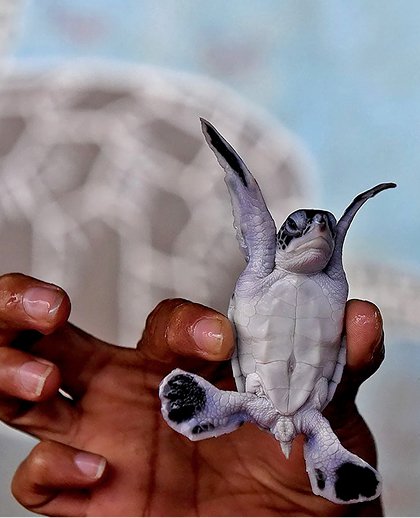
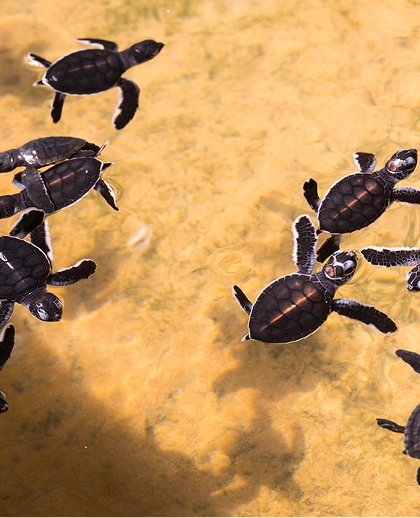
- Kosgoda: Famous for its dedicated turtle hatcheries and conservation projects, ideal for families wanting to learn about marine biology and see baby hatchlings.
Best Time for Wildlife Watching
For Nesting (Beach Watching): Turtles nest year-round in Sri Lanka, but the absolute peak high season is between April and July.
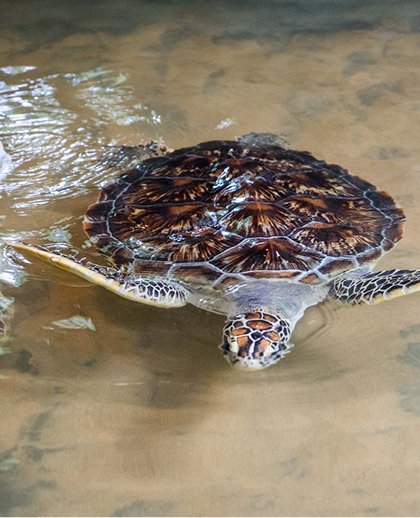
For Snorkeling (Ocean Watching): If you want to swim with them in the ocean, visit the South Coast between November and April. During these months, the ocean is calm, safe, and offers fantastic underwater visibility.
Safari Tips for Tourists
If you are joining a turtle snorkeling tour or a night watch, keep these responsible tourism tips in mind:
- Never Touch or Ride the Turtles: Always keep a respectful distance. Let the animal dictate how close it wants to get to you.
- No Flash Photography: If you are doing a night-time beach watch, camera flashes disorient the turtles and can deter them from laying their eggs.
- Wear Reef-Safe Sunscreen: Standard sunscreens contain chemicals that bleach coral reefs and harm marine life.
- Stay Calm and Quiet: Splashing or making sudden movements will easily scare the turtles away. Float calmly and enjoy the view.
Nearby Eco-Lodges & Hotels
If you are planning your trip around turtle watching, staying at an eco-friendly lodge enhances the nature-focused experience:
- Puranagama Eco Lodge (Tangalle): Located right near the Rekawa Lagoon, this rustic and serene lodge is the perfect base camp if you are planning to do the midnight Rekawa Beach turtle watch.
- KAJU GREEN Eco Lodges (Near Galle): An exclusive, adults-only eco-resort situated near a bird sanctuary. It’s just a short drive from the southwest beaches where turtle activity is high.
- Flameback Eco Lodge (Weerawila): If you are pairing your turtle watching with a wildlife safari in Yala or Bundala National Park, this luxury glamping lodge offers an incredible, nature-immersed stay.
Ready to Swim with Sri Lanka’s Marine Turtles? 🐢
Talk with Us! We can arrange the ultimate, hassle-free wildlife experience tailored just for you. 👉