Contents
One of Sri Lanka’s most powerful and spiritually significant festivals has begun.
The Ruhunu Kataragama Esala Perahera 2026 officially commenced on 15 July, bringing nightly religious processions, traditional drumming, dancing, fire rituals and thousands of pilgrims to the sacred town of Kataragama.
The festival will continue for 15 days, reaching its grandest moment with the Maha Perahera on 29 July 2026. The celebrations will conclude the following morning with the traditional Diya Kapeema, or water-cutting ceremony, at the Menik Ganga.
For travellers currently visiting Sri Lanka, this is a rare opportunity to witness a living tradition shaped by faith, history and cultural diversity.
Kataragama Esala Perahera 2026 dates
The important confirmed dates for this year are:
| Festival event | Date |
|---|---|
| First Perahera | 15 July 2026 |
| Fire Ceremony | 26 July 2026 |
| Final Maha Perahera | 29 July 2026 |
| Diya Kapeema water-cutting ceremony | Morning of 30 July 2026 |
The procession takes place each night during the festival period. The sacred ceremonial objects of the Maha Devalaya are carried from the main shrine towards the Valli Amma Devalaya as part of the nightly ritual journey.
Visitors should arrive early because Kataragama becomes increasingly crowded as the final procession approaches.
What is the Kataragama Esala Perahera?
The Kataragama Esala Perahera is the main annual festival of the Ruhunu Maha Kataragama Devalaya, a sacred shrine dedicated to God Kataragama, also known as Skanda, Murugan or Kartikeya.
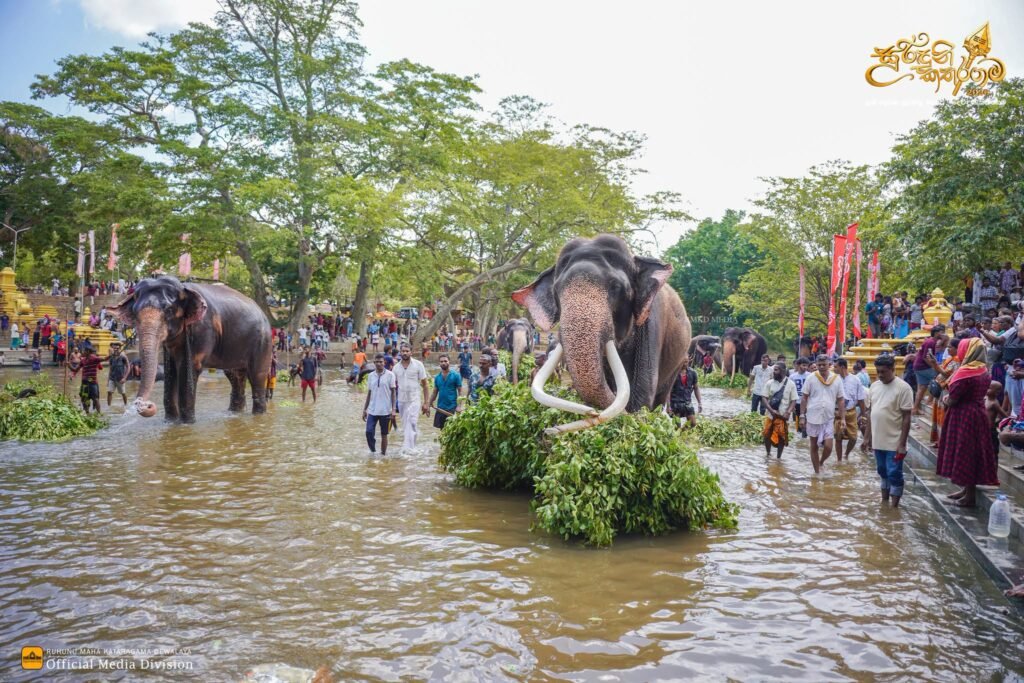
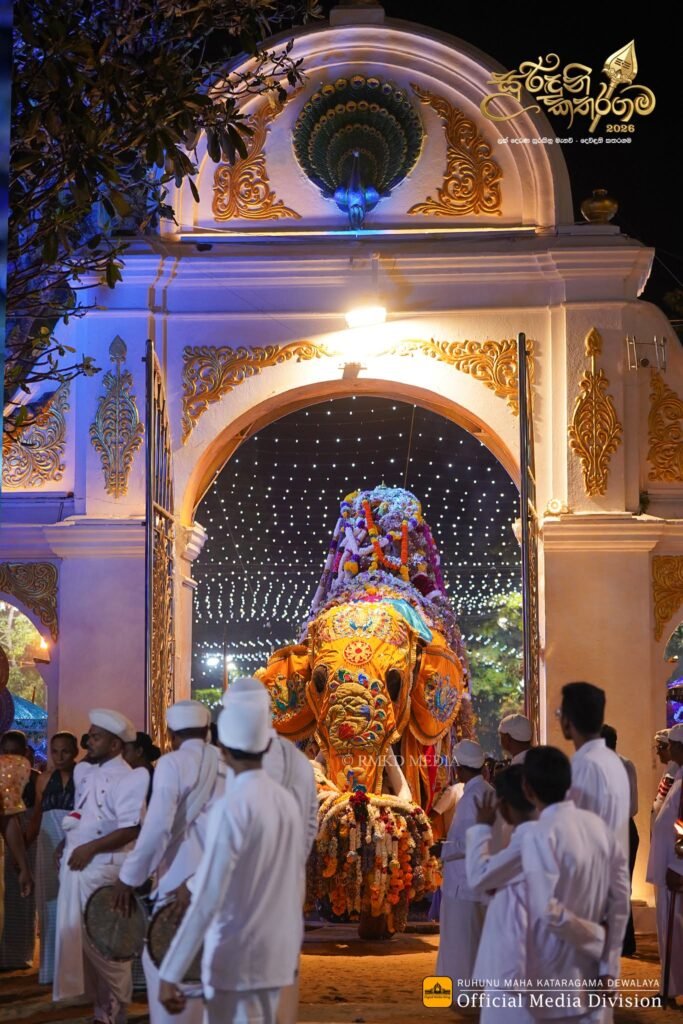
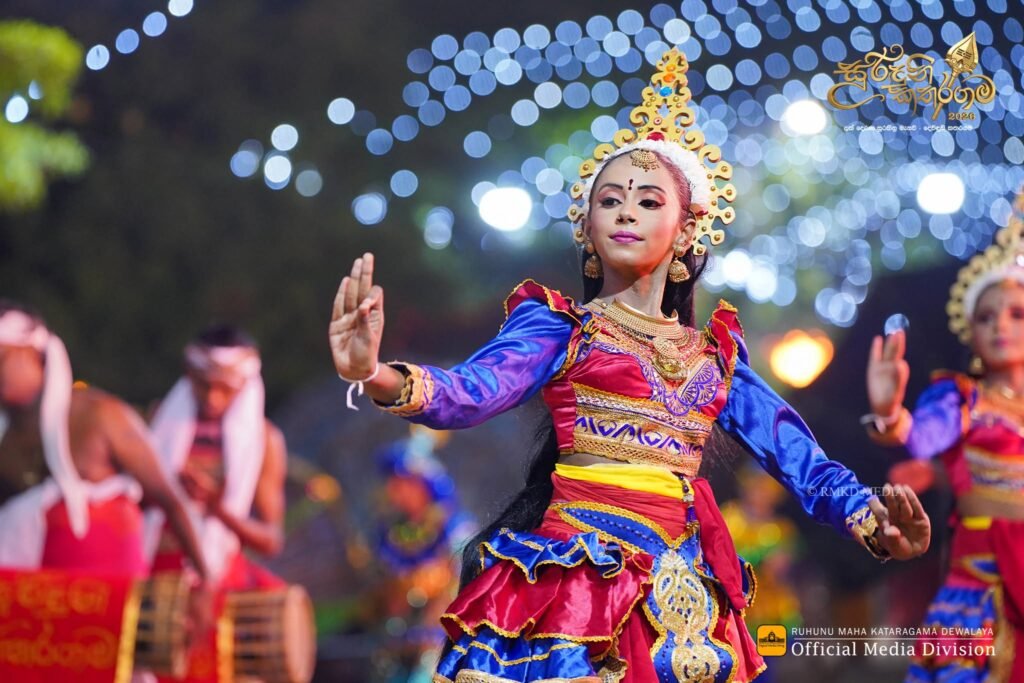
Images Credit: Ruhunu Maha Kataragama Dewalaya
Unlike many religious celebrations associated mainly with one community, Kataragama attracts Buddhists, Hindus, Muslims, indigenous Vedda communities and visitors from many other backgrounds. The sacred complex includes the Maha Devalaya, Kiri Vehera, Hindu shrines, a mosque and several other places of worship.
This meeting of different traditions is what makes Kataragama one of the most unusual spiritual destinations in Sri Lanka.
The Perahera is not simply a cultural performance arranged for tourists. It is an active religious ceremony attended by devotees fulfilling vows, making offerings and seeking blessings.
What can visitors expect❤️
During the festival, the usually peaceful town is transformed by lights, incense, chanting, temple bells and the sound of traditional drums.
The nightly procession may include:
- Traditional drummers and dancers
- Torchbearers and ceremonial officials
- Devotees carrying offerings
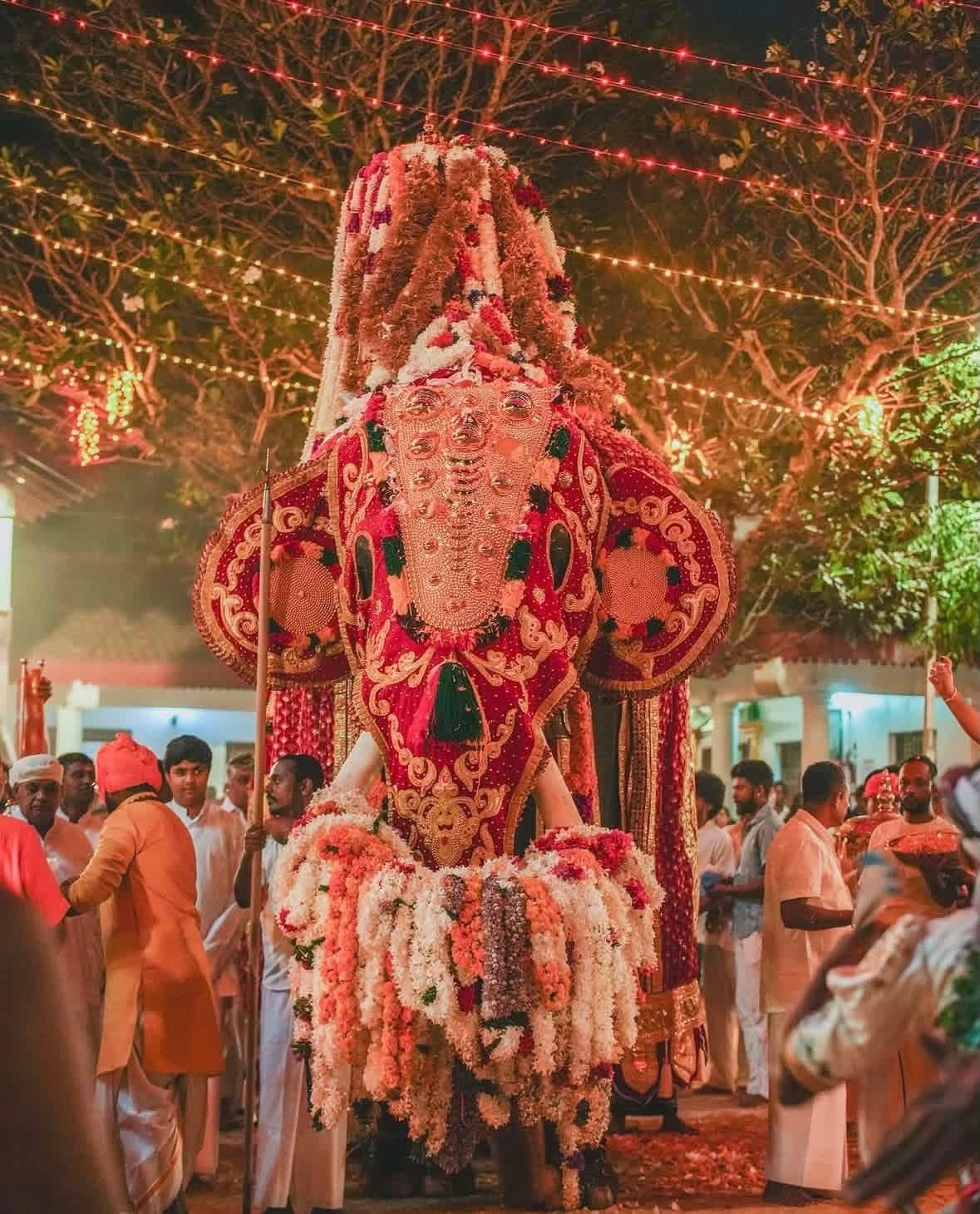
- Decorated ceremonial elephants
- Religious banners and sacred objects
- Kavadi dancers and pilgrims fulfilling vows
- Ritual visits between the Maha Devalaya and Valli Amma shrine
The atmosphere is especially powerful after sunset, when the temple grounds and procession route are illuminated.
The final Maha Perahera follows a longer ceremonial route that includes Kiri Vehera before returning to the Maha Devalaya
The final Maha Perahera
he most impressive night of the festival will be the Maha Perahera on 29 July 2026.
This final procession is expected to attract the largest crowds. The ceremony brings together the festival’s principal religious and cultural elements, creating an unforgettable night of devotion, colour, sound and movement.
Travellers planning to attend should reach Kataragama well before evening. Traffic restrictions, limited parking and large crowds should be expected around the sacred city.
Diya Kapeema at the Menik Ganga
The festival ends on the morning of 30 July with the traditional Diya Kapeema ceremony on the banks of the Menik Ganga.
During this ancient ritual, the sacred water-cutting ceremony marks the formal conclusion of the festival. Devotees then enter or bathe in the river, believing that the water has been blessed by the ceremony.
For visitors, this early-morning event offers a quieter and deeply spiritual conclusion to the celebrations.
How to reach Kataraga
Kataragama is located in southeastern Sri Lanka, close to Yala National Park, Tissamaharama and Bundala National Park.
It can be reached by road from Colombo, Galle, Matara, Ella and the southern coastal towns. Public buses operate to Kataragama from several major cities, while private vehicles and hired drivers provide greater flexibility during the busy festival period.
Travellers combining wildlife and culture can stay in Kataragama or nearby Tissamaharama and arrange a Yala safari on a separate morning.
More places to visit around Kataragama
A journey to the Perahera can also include:
- Kiri Vehera
- Menik Ganga
- Sella Kataragama
- Wedihiti Kanda
- Tissamaharama Raja Maha Vihara
- Tissa Wewa
- Yala National Park
- Bundala National Park
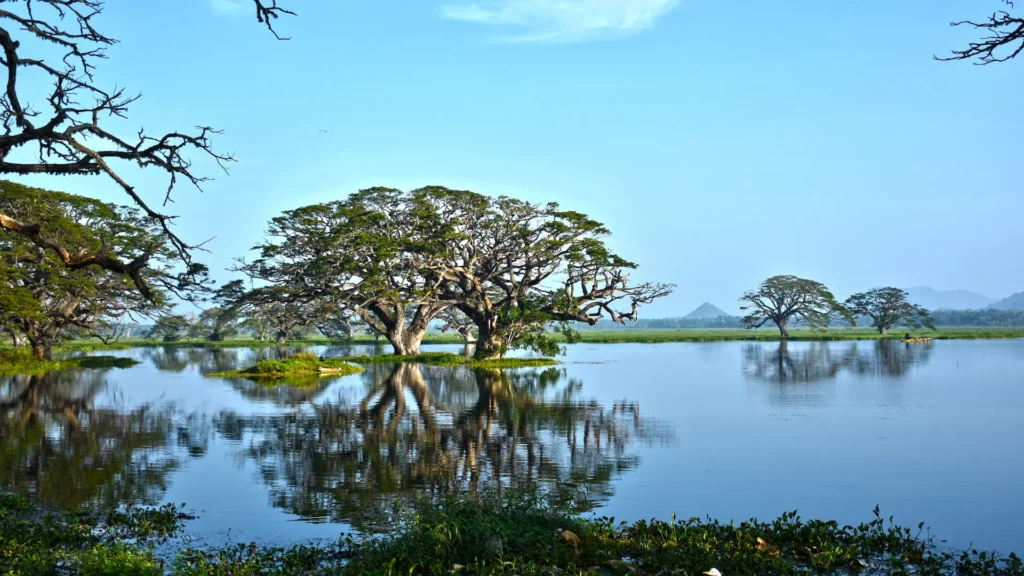
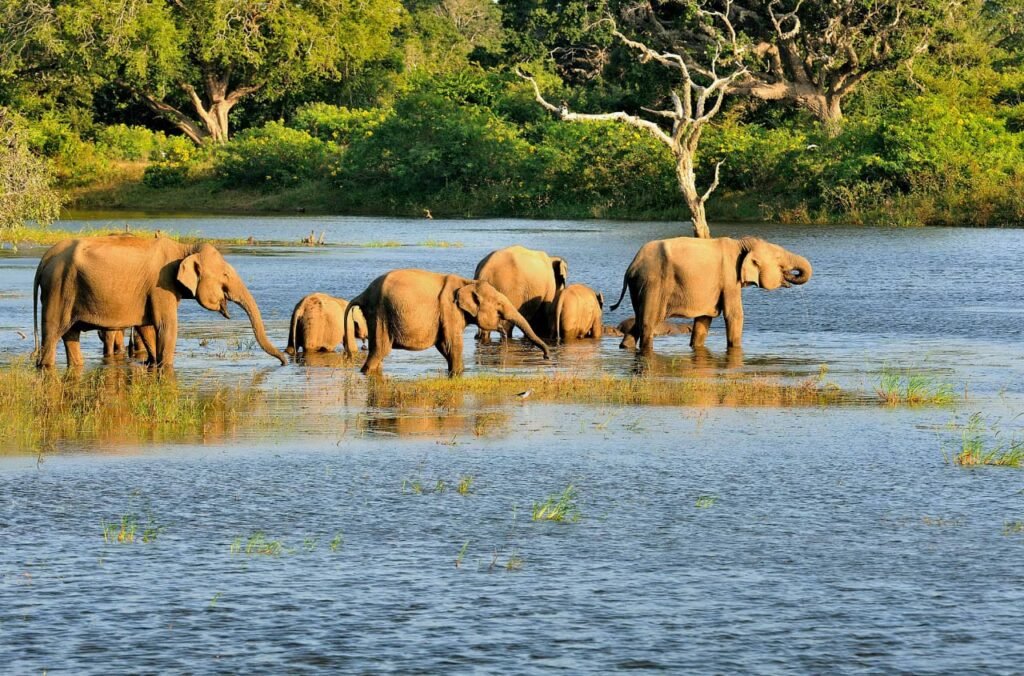
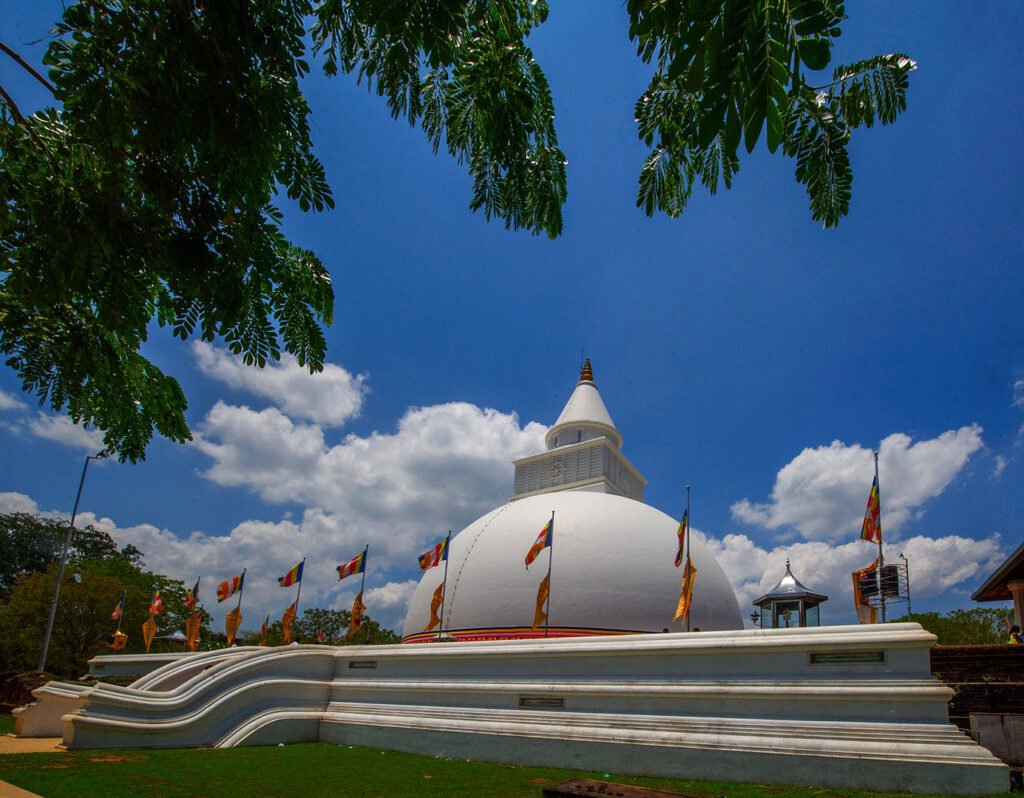
Avoid trying to visit too many places on the final Perahera day. Heavy traffic and festival crowds can make travel considerably slower.
The Kataragama Esala Perahera is happening now, and the most important ceremonies are still ahead. ❤️