Before you fly
Visa, passport, insurance and which coast is in season.
Before you land
Visa, airport arrival, packing, SIM cards and transport: the five things every visitor has to sort out, explained by people who live here. Pick the one on your mind, or read the guide from the top.
Visa, passport, insurance and which coast is in season.
Which airport you fly into, and your first hour from the gate to the kerb, step by step.
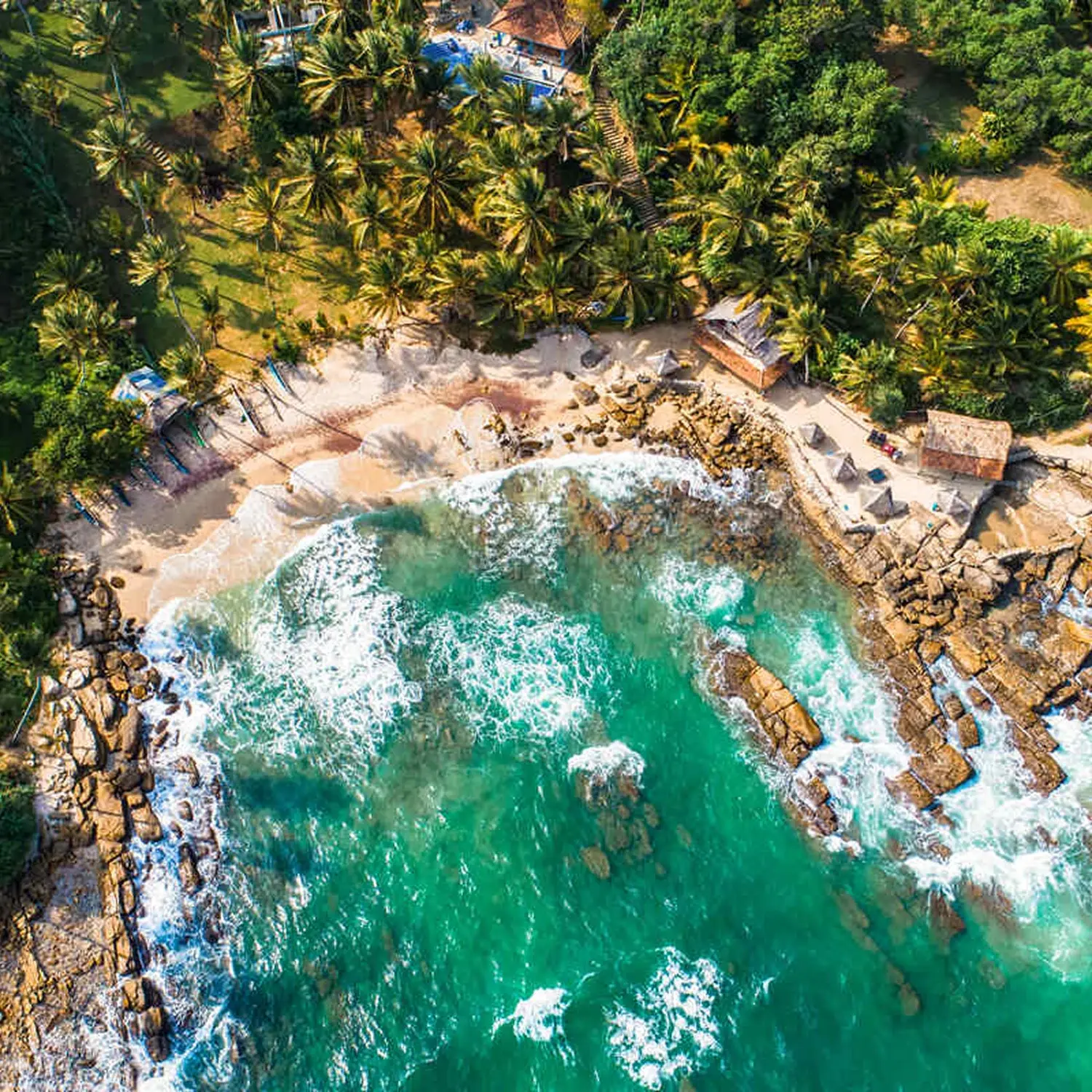
Light for the coast, one warm layer for the hills.
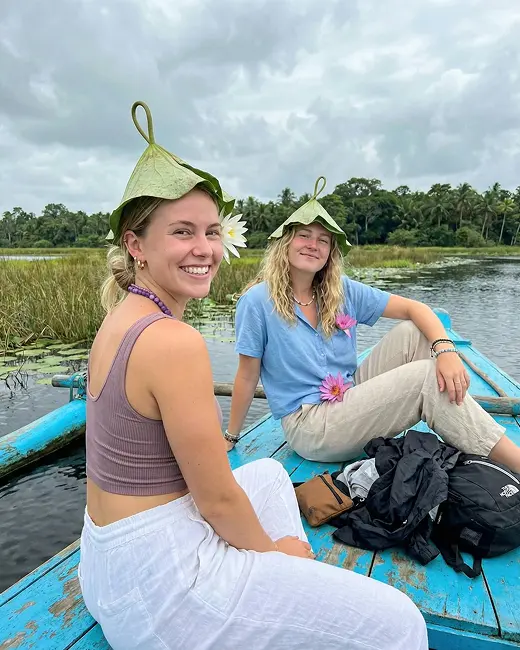
Get online before you leave the terminal, and carry small notes for everything else.
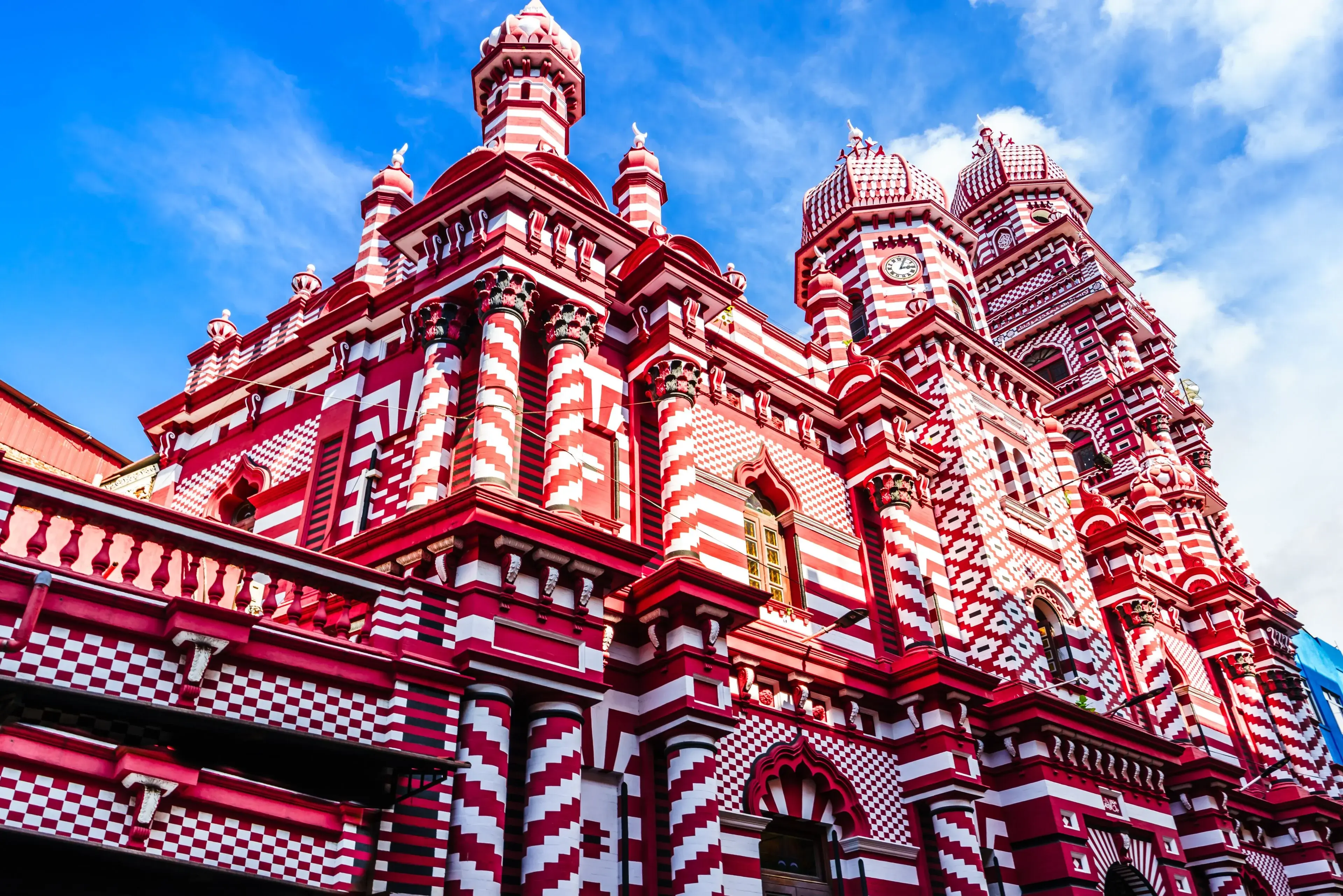
Trains through tea country, buses, tuk-tuks and private drivers, and how long journeys really take.

Quick facts
The basics worth knowing before you land: the money, the clock, the sockets and who to call.
Three things need doing before you get on the plane: your entry permission, your passport dates and your insurance. None of them takes long, and all of them are harder to fix at a check-in desk.
Most visitors enter Sri Lanka on an Electronic Travel Authorisation, the ETA. You apply online, the approval is linked to your passport number, and the airline will ask to see it before you board. Apply a few days ahead, not at the gate.
The rules move. Fees have been dropped for many nationalities and the list has changed more than once, so read the current terms for your own passport on the official ETA site or the Department of Immigration and Emigration. Use only those addresses. Plenty of look-alike sites charge a "service fee" for the same form.
Your passport should be valid for at least six months from the day you arrive. Take travel insurance that covers medical care and, if you plan to ride a scooter or go diving, check those are included. Private hospitals in Colombo are good; you just do not want to be paying for them out of pocket.
Sri Lanka has two monsoons that hit opposite sides of the island, so somewhere is always dry. From December to April, head for the west and south coasts and the hill country. From May to September, the east coast around Trincomalee and Arugam Bay has the calm sea. The ancient cities in the middle work most of the year. Our places to visit page shows what each region is good for.
You will almost certainly land at Bandaranaike International Airport, code CMB. Airlines sell it as "Colombo", but it is at Katunayake, about 30 km north of the city and only a short drive from the beach town of Negombo.
From Europe, most routes connect through the Gulf (Doha, Dubai, Abu Dhabi) or Istanbul, with a few direct flights from London and other cities depending on the season. From India it is a short hop from Chennai, Bengaluru, Mumbai or Delhi. From Southeast Asia and Australia, the usual connections are Singapore, Kuala Lumpur and Bangkok.
Two other airports exist. Mattala, in the deep south near Hambantota, and Jaffna, in the north, take only a handful of flights. Unless your ticket says otherwise, plan around CMB.
Many long-haul flights arrive between midnight and dawn. If yours does, book your first night near the airport or in Negombo and start the real trip after breakfast. Flight and terminal information is on the airport's own site.
Pack for two climates. The coast and the plains are hot and humid all year. The hill country is a different place: mornings in Nuwara Eliya can be cold enough for a jumper. Everything else you can buy here, usually for less than at home.
The airport is small and the route through it is one straight line. Allow about an hour from the aircraft door to the kerb, more if several big flights land together. Do things in this order and you will walk out with cash, data and a ride.
Follow the signs to immigration with your passport and ETA approval ready. Queues move fastest in the early morning and slowest when several long-haul flights land together.
Collect your bags from the belts just past immigration. Free trolleys are there. Duty-free shops line the way out if you need anything.
Walk through the green channel if you have nothing to declare. Officers may ask to scan a bag; it takes a minute.
Take out rupees from a bank ATM in the arrivals hall, or change a small amount at a bank counter. You only need enough for the first day or two.
The mobile operators have counters in the arrivals hall. Hand over your passport, pick a tourist data pack and let the staff set it up before you walk away.
Meet your pre-booked driver in the arrivals area, book a fixed-fare car at the airport taxi counter, or order a ride on an app once your SIM is working.
People will offer you taxis and hotels as you come through the doors. A polite "no, thank you" is enough. Deal with the official counters inside the hall, or with the driver holding your name.
Buy your SIM at the airport. The mobile operators have counters in the arrivals hall after customs, they sell tourist packs with plenty of data, and the staff put the card in and activate it while you wait. It takes five minutes and costs very little by European or American standards.
If your phone supports eSIM, you can buy a travel eSIM online before you fly and be connected when the plane lands. It usually costs more per gigabyte than a local SIM, and most are data only, so you will not have a Sri Lankan number for drivers and guesthouses to call.
Coverage is strong along the coast and in towns. It thins out inside national parks, on some hill-country train stretches and in the far north-east. Hotel and café Wi-Fi is common, and slower than you are used to.
You have four ways out, from easiest to cheapest.
There is no railway station at the terminal. Trains north and south leave from Colombo Fort, and trains to the hill country from Fort or Kandy.
On the expressway, central Colombo is around 40 minutes away outside rush hour. Negombo is about 20 minutes, which is why so many people spend their first or last night there. Going straight to Kandy takes three to four hours, and Galle around two and a half on the southern expressway.
The island is small and the roads are slow. Work on about 40 km an hour, add time for tea stops and elephants on the road, and do not plan more than one long transfer in a day.
The line from Kandy through Nanu Oya to Ella is the journey people come for: tea estates, tunnels and open doors. Reserved seats on it sell out, so book as soon as your dates are fixed on the railway's reservation site, which also shows how far ahead booking opens. Unreserved second and third class tickets are sold at the station on the day; you may stand, and many travellers do not mind. The coastal line from Colombo to Galle is the other good one, with the sea outside the window for most of the way.
For a trip with several stops, a car with a driver is the normal way to travel here, and it is cheaper than visitors expect. You stop where you like, your bags stay in the boot, and the driver knows which road is closed this week. It is how our private tours work.
Three-wheelers are for short trips: the beach, dinner, the station. In Colombo and the bigger towns, order one on PickMe or Uber and the fare is set. Elsewhere, agree the price before you get in. Meters exist in Colombo; ask the driver to use it.
Buses go everywhere, often, for very little. Red ones are run by the state, the others are private, and the air-conditioned "intercity" services on the expressways are the comfortable choice for Colombo to Galle or Matara. Local buses are fast, loud and crowded. Good for the story, less good with a large suitcase.
You can rent a car, scooter or tuk-tuk, and you need your home licence plus the right local permit to be legal and insured. Ask the rental company to arrange the paperwork before you arrive. Traffic keeps left, buses overtake on bends, and cows have right of way.
The currency is the Sri Lankan rupee. You cannot easily buy it abroad, and you do not need to: take what you need from an ATM when you land.
Sri Lanka is an easy country to travel in. A few habits keep it that way.
More on safety, seasons and how long to stay is in our travel FAQs.
Next step
You know how to get here. Now decide where to go and what to do once you have landed.
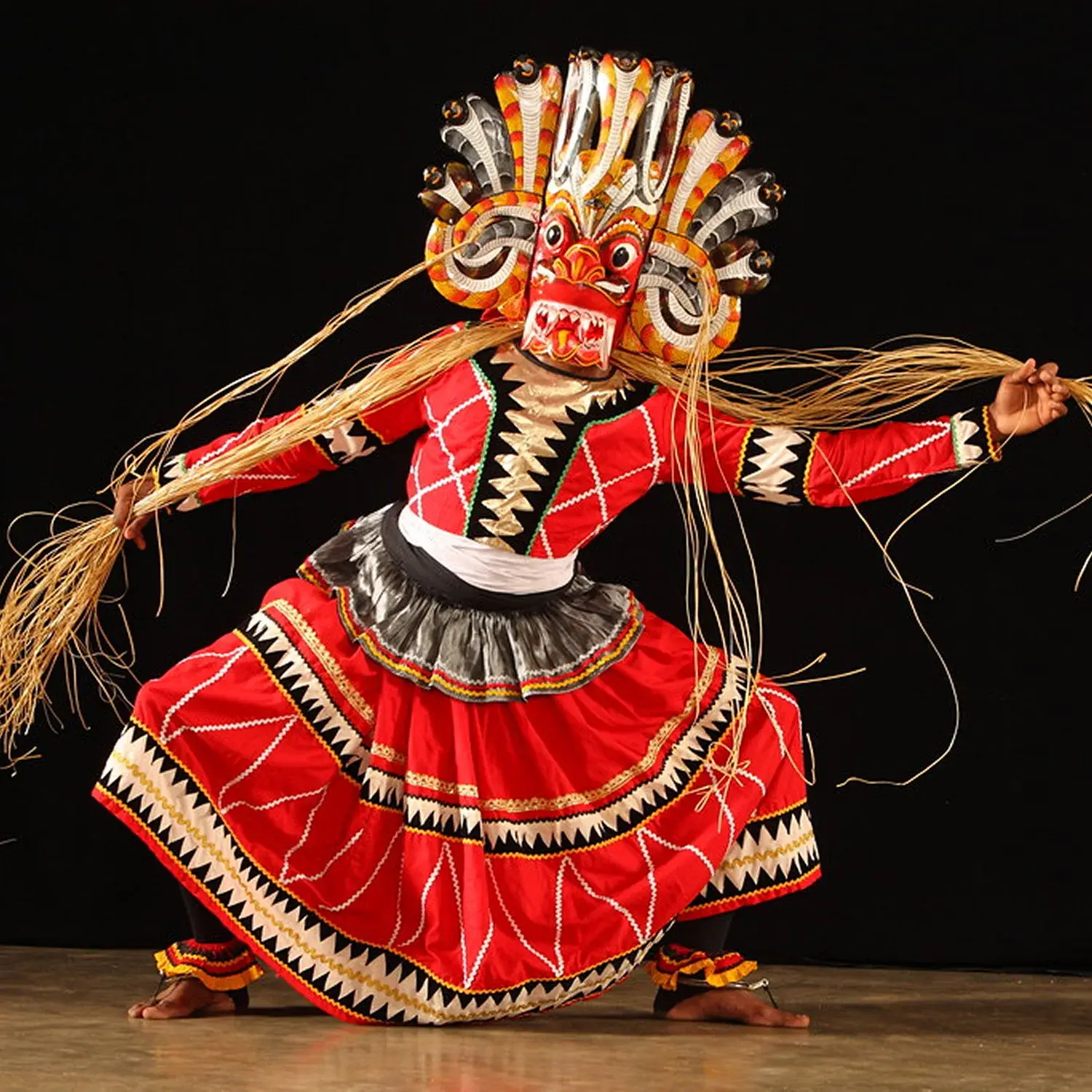 Places to VisitEvery region of the island, with what each one is good for.
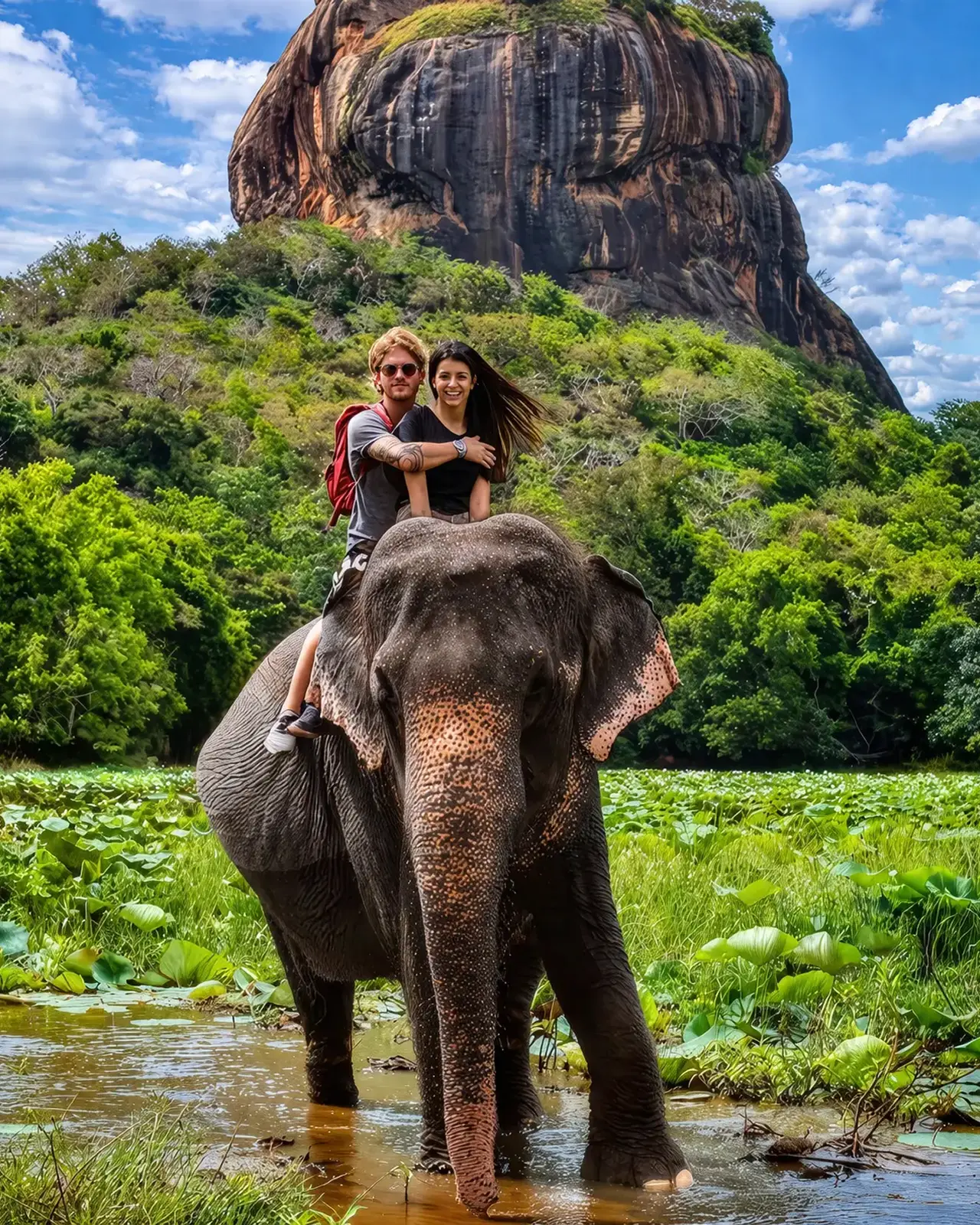 Private ToursMulti-day routes with a driver, hotels and the planning done.
 Day ExperiencesSafaris, whale watching and village days to add to your trip.
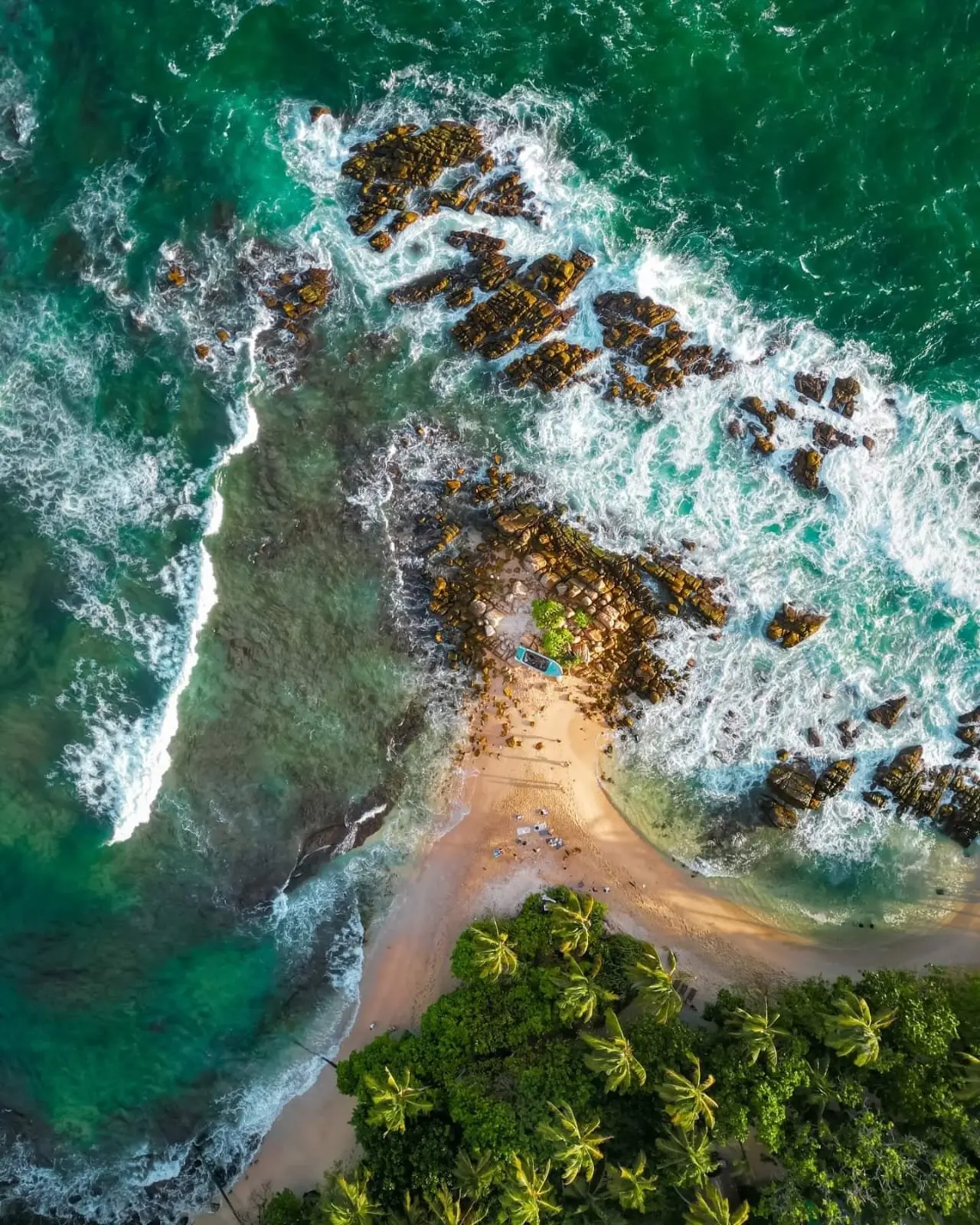 Destination GuidesKandy, Ella, Jaffna, Mirissa and more, town by town.
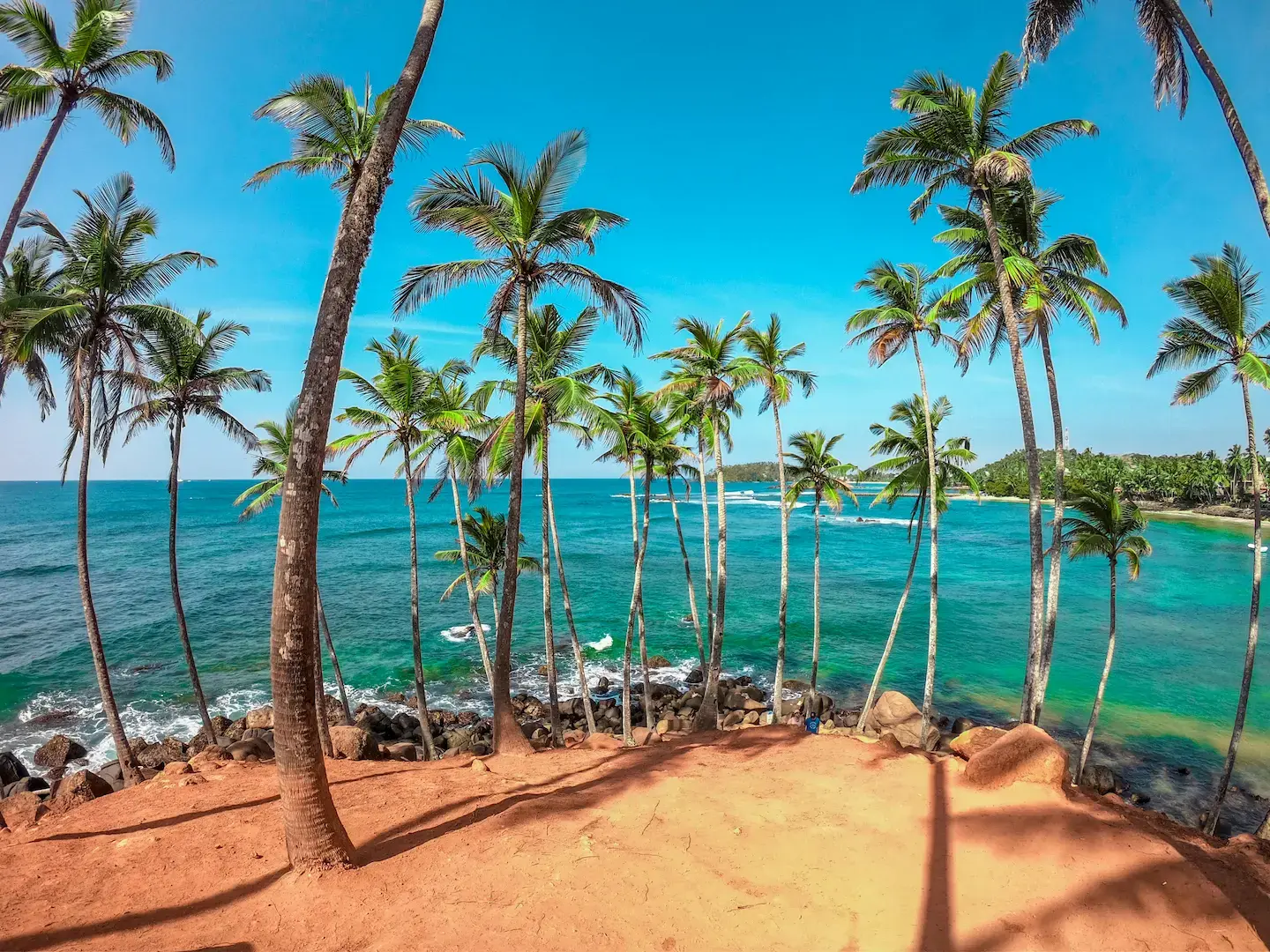 Things to DoIdeas for honeymoons, solo trips, hikes and time on the water.
 WildlifeLeopards, elephants and whales, and when to see them.
Short answers to the questions we are asked most before a first trip.
Most visitors need an Electronic Travel Authorisation (ETA) before they fly. You apply online on the official ETA site and travel on the passport you applied with. Fees and the list of nationalities that get it free have changed more than once, so check the official site for your passport before you book.
Almost every international flight lands at Bandaranaike International Airport (code CMB) at Katunayake, about 30 km north of Colombo and a short drive from the beach town of Negombo. Mattala in the south and Jaffna in the north handle only a few flights.
Yes. The main mobile operators have counters in the arrivals hall, after customs. Bring your passport, choose a tourist data pack and the staff will activate it for you in a few minutes. If your phone supports eSIM you can also set one up before you fly.
The easiest ways are a pre-booked transfer, a fixed-fare car from the airport taxi counter in arrivals, or a ride-hailing app once you have mobile data. The expressway gets you to central Colombo in around 40 minutes outside rush hour. Negombo is about 20 minutes away. The cheapest option is the airport bus to Colombo.
Light, breathable clothes for the coast, one warm layer for the hill country, something that covers shoulders and knees for temples, sunscreen, insect repellent, a universal adapter and a light rain jacket. You can buy almost anything you forget in Colombo, Kandy or Galle.
Mix them. Take the train for the hill country between Kandy and Ella, a private car and driver for longer days with several stops, tuk-tuks for short hops, and buses when you are on a budget. Distances look small on the map, but roads are slow, so plan on about 40 km an hour.
ATMs are easy to find in every town and accept foreign Visa and Mastercard. Hotels, bigger restaurants and supermarkets take cards. Tuk-tuks, small shops, local buses and many guesthouses want cash, so keep small notes on you.
There is always a dry side. December to April is best for the west and south coasts and the hill country. May to September suits the east coast around Trincomalee and Arugam Bay. The Cultural Triangle is good most of the year.
Airport pick-up, driver, hotels and the train seats that sell out: tell us your dates and we will plan it with you.